
Essex Acupuncture and Functional Medicine a Gateway to Optimum Fertility
Essex Expert Fertility Acupuncture
Welcome to Eco Therapies Fertility Acupuncture and Functional Medicine in Leigh on Sea, Southend on Sea, Essex & Online Video Consultations with Elaine Otrofanowei
Here at Ecotherapies Fertility Acupuncture Clinic I provide Acupuncture and Functional Medicine* to patients to help them restore their health and wellbeing
I specialise in the treatment of both male and female infertility and other women’s health issues. Using acupuncture and functional medicine to try and find the root cause of any health issues that may be preventing you from conceiving, causing recurrent miscarriage and having a healthy baby.
This will include taking a through medical history, advice on extra testing, nutrition, supplements, lifestyle advice and referrals when necessary.
Conditions include Polycystic Ovary Syndrome (PCOS), Endometriosis, Fertility (including male infertility), IVF Support, Repeated Miscarriage, PMS Menopause, Pregnancy, Postpartum Support and other related problems.
All therapies are carried out in a relaxing and caring environment.
If you are feeling lost and not sure what do next, you can book an Free 15 minute discovery call here we can find out how I can help you and what to do next.
WORKING WITH ELAINE read here
Please note that natural fertility treatment and IVF preparation takes time to bear fruit, think of it this way when you plant a seed, it is important to prepare and nourish the soil, water and feed it and give it time to grow. So its important to comit 3 to 6 months to natural fertility treatment to see positive results and for IVF preparation ideally 3 months.
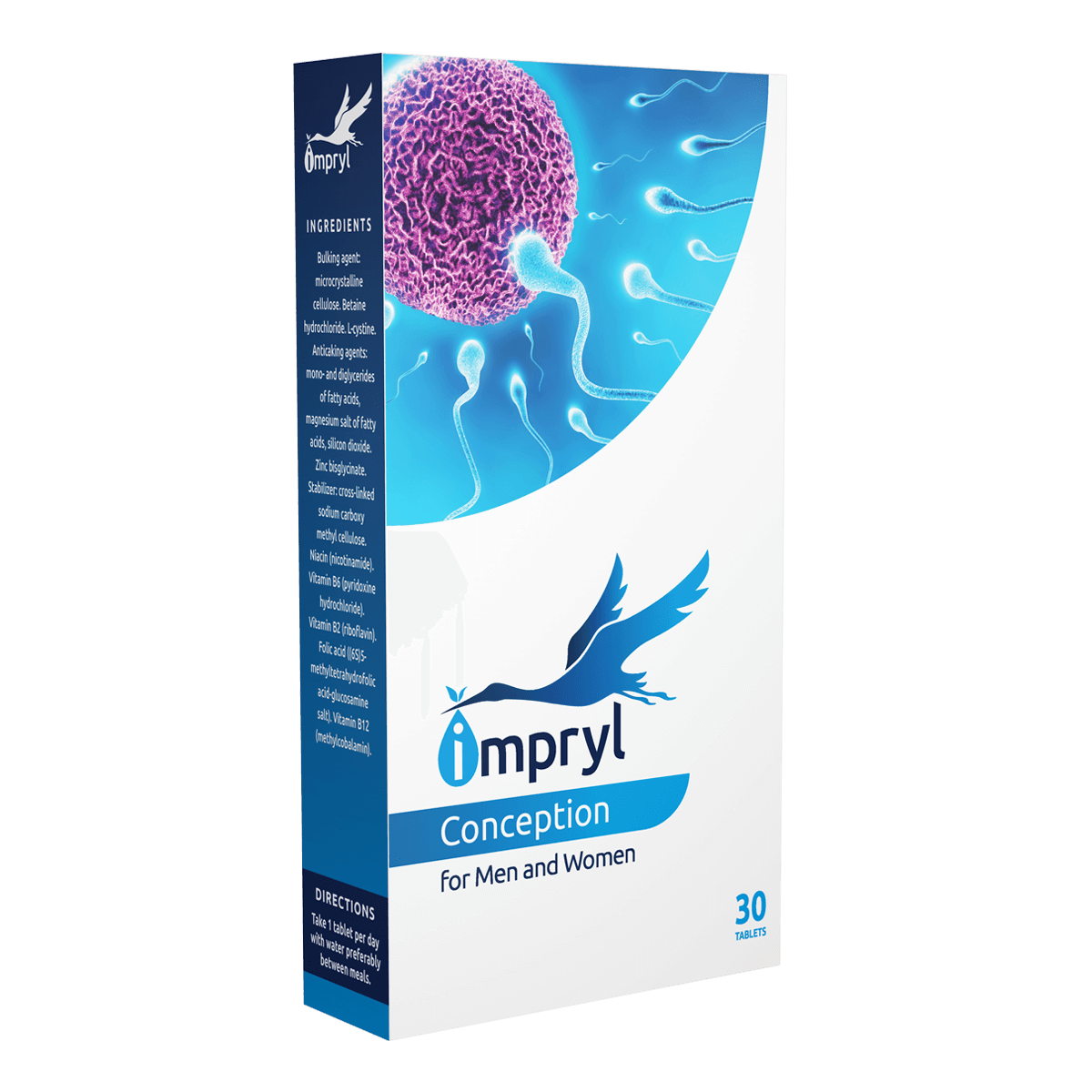
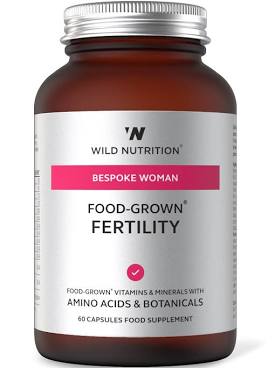
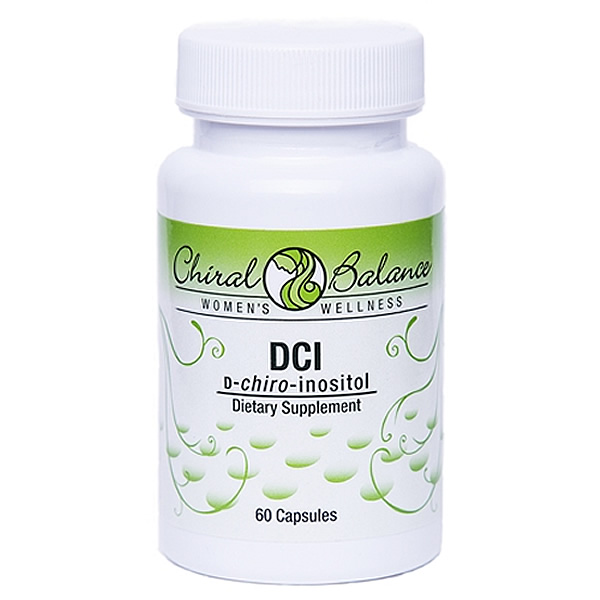
Acupuncture and Functional Medicine a Gateway to Optimum Fertility & Health
Elaine Otrofanowei
I’m Elaine Otrofanowei, but just call me Elaine. I’ve practised as Podiatrist for 36 years and for the last 14 years as a Complementary Therapist in Leigh on Sea, Essex
I’ve realised for many years that conventional medicine does not have all the answers and that an integrated/holistic approach seems to get much better results. I experienced this myself when my body decided it wanted to enter the menopausal stage of my life early and using a combination of complementary therapies, nutrition, supplements, lifestyle changes and functional testing worked wonders for me.
I use these same tools to help my patients to realise their dream of parenthood or to improve painful or irregular periods or help them through pregnancy related issues and perimenopause/menopause
I have a first class degree with honours in Acupuncture from UEL (undertook my dissertation on Polycystic ovarian syndrome and the possible physiological mechanism behind its use) and professional qualifications in reflexology, massage and stress management. I have also undertaken several continuing professional development courses in nutrition, women’s health and fertility, IVF techniques , Advanced Fertility Diploma and functional medicine
All therapies are carried out in a relaxing and caring environment. The practice provides the highest standards of care and attention to clients from the surrounding local areas of.
Westcliff on Sea
Southend on Sea
Hadleigh
Rayleigh
Online Video Consultations
Essex and East London
If you live in the Leigh on Sea, Essex East London area or any where in the UK and you’re curious, interested or not sure, then why not book a free 15 minute discovery call via the appointment system to see how I can help. Or give me call on .07949407336 or 01702 479329 Opening times/Location